


Fresh Atta vs Packaged Flour: Which Is Actually Better?

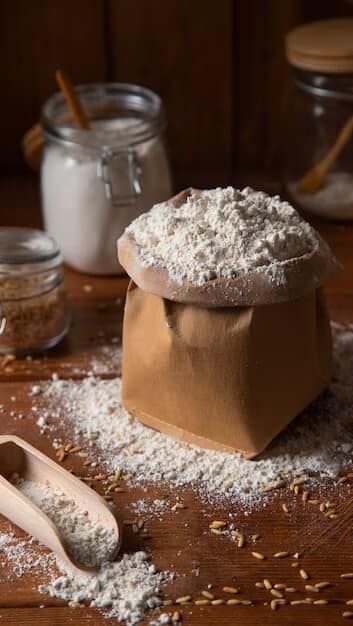
Fresh Atta vs Packaged Flour: Which Is Actually Better?
Freshly ground flour retains more nutrients and flavor than flour that has sat on a store shelf for weeks. That single fact is at the center of the fresh atta vs packaged flour debate — and it’s why more households are reconsidering how their daily roti actually gets made.
What’s the Real Difference Between Fresh Atta and Packaged Flour?
Fresh atta is milled right before use, so its natural oils, fiber, and micronutrients are still intact. Packaged flour is milled in bulk, then stored and transported for days or weeks before it reaches your kitchen — time during which it gradually loses nutritional value and flavor.
Nutrient Retention
Wheat begins losing certain vitamins, like B-complex and vitamin E, soon after milling due to exposure to air and light. Packaged atta has often traveled through a supply chain — mill, warehouse, distributor, store shelf — before it’s used. Fresh atta skips all of that, going straight from grinding to dough.
Fiber and Bran Content
Whole wheat naturally contains fiber-rich bran and germ layers. Some large-scale commercial processing removes or reduces these layers for texture and shelf-life consistency. Grinding whole grains at home keeps this fiber intact, which supports digestion and helps you feel fuller for longer.
Additives and Shelf-Life Agents
Many packaged atta brands add ingredients to extend shelf life or standardize texture across large batches. When you grind flour at home, there’s nothing added — just the grain.
Taste and Aroma
Freshly milled flour has a distinct nutty aroma that fades within days of grinding. Rotis made from fresh atta are often noticeably softer and more flavorful compared to those made from flour that’s been sitting for weeks.
Fresh Atta vs Packaged Flour: Quick Comparison
| Factor | Fresh Home-Ground Atta | Packaged Store Flour |
|---|---|---|
| Nutrient retention | High (milled just before use) | Lower (degrades over storage time) |
| Additives | None | Sometimes present |
| Fiber content | Naturally intact | May be reduced in processing |
| Shelf life before use | Days | Weeks to months |
| Customization | Full control (grain type, texture) | Fixed by manufacturer |
| Taste/aroma | Stronger, fresher | Fades over time |
Why Milan Has Focused on This for 28 Years
Milan has been manufacturing domestic atta chakkis for 28 years, built specifically to make fresh, home-ground flour practical for everyday Indian kitchens — not just an occasional effort. That long-term focus on grinding technology is why features like stainless steel hoppers, overload protection, and consistent motor performance have become standard across Milan’s range, rather than added afterthoughts.
Does Home Grinding Really Make a Noticeable Difference Between fresh atta & packaged flour?
For most households, yes — the difference shows up in three places: how the dough feels while kneading, how soft the rotis turn out, and how quickly the flour is used up rather than sitting in storage. Since you grind only what you need, freshness stays consistent meal to meal.
Frequently Asked Questions
Is fresh atta healthier than packaged flour?
Fresh atta generally retains more nutrients and fiber because it’s milled right before use, while packaged flour can lose some nutritional value over weeks of storage and transport.
Does packaged atta contain preservatives?
Some packaged atta brands include additives to extend shelf life or maintain consistent texture across large batches. Home-ground atta contains only the grain itself.
How long does fresh atta stay good?
Fresh atta is best used within a few days for maximum nutrition and flavor, which is why grinding smaller batches at home — as needed — works better than stockpiling large quantities.
Can I grind other grains besides wheat at home?
Yes, many domestic atta chakkis can also grind bajra, jowar, and pulses, letting you make fresh multigrain flour blends rather than relying on pre-mixed packaged versions.
Final Thoughts
The fresh atta vs packaged flour comparison isn’t just about taste — it comes down to nutrition, ingredient control, and how long flour sits before it reaches your dough. For families who eat rotis daily, grinding fresh at home is a small shift with a real, measurable difference.
Ready to switch to fresh, home-ground flour? Explore Milan’s range of atta chakkis, built on 28 years of grinding expertise for Indian kitchens.